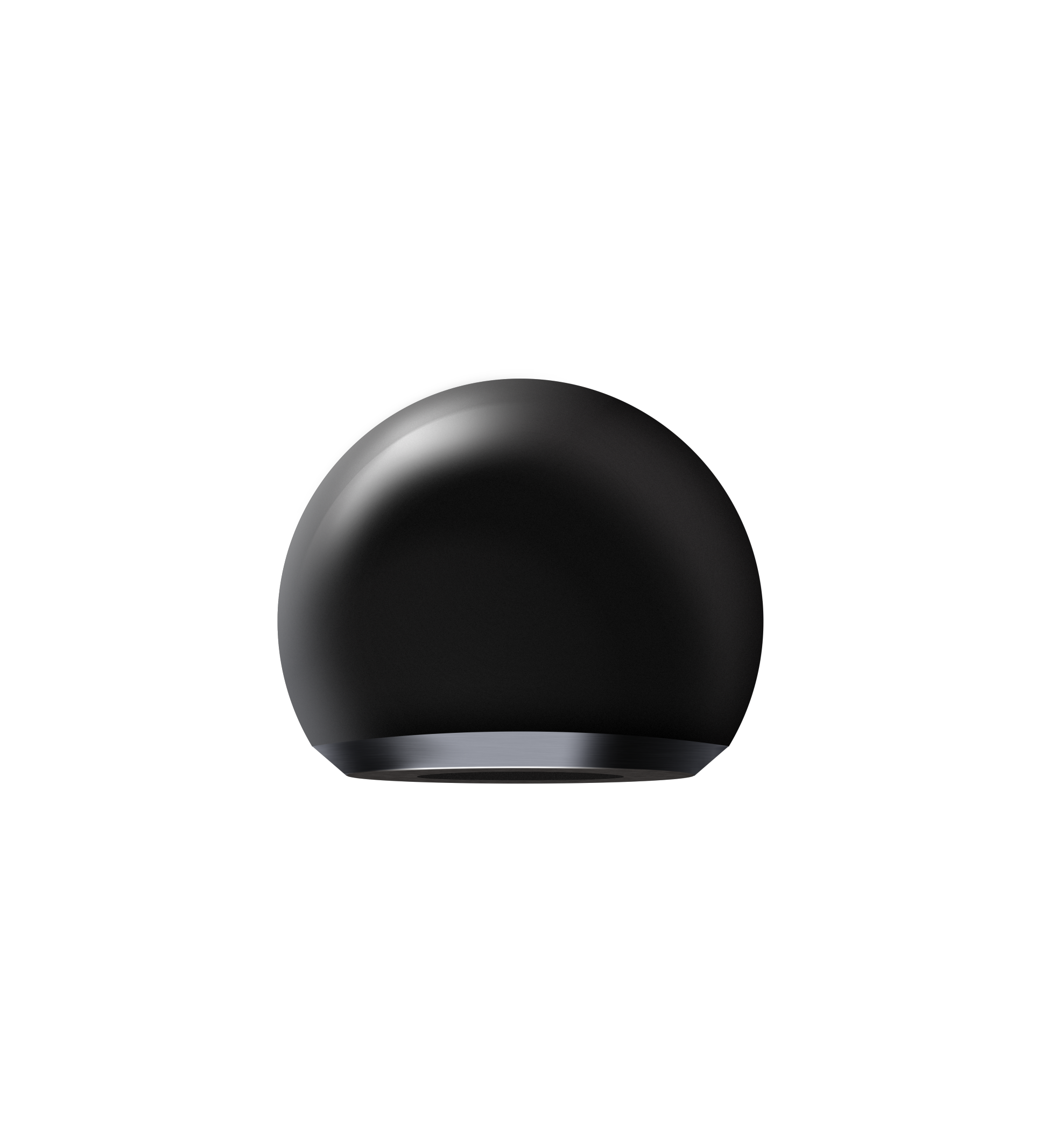
★Zirconium-niobium alloy features a low thermal neutron absorption cross-section (only 1.8×10⁻²⁸ m²), along with high specific strength, corrosion resistance, and radiation resistance. By investigating the influence rules of different thermal oxidation processes on properties such as phase composition, thickness, hardness, and layer-substrate bonding strength of the oxide layer formed on the Zr-2.5Nb surface, Chunli Medical has developed joint products with oxide layers that exhibit high surface hardness, corrosion resistance, and wear resistance, meeting the requirements for clinical safety and effectiveness.
★ When the zirconium-niobium femoral head is heated to a certain temperature, oxygen diffuses to the alloy surface and reacts chemically with zirconium to form a dense zirconia ceramic layer. This dense layer prevents further diffusion of oxygen molecules from the air into the alloy interior. At this stage, zirconium in the alloy core captures oxygen atoms to continuously form zirconia, creating an oxygen-enriched layer (diffusion layer). The vacancies left by the original oxygen atoms have a diameter matching the wavelength of visible light. When visible light penetrates the transparent oxidation-modified layer and enters these vacancies, it undergoes interference and absorption and cannot be reflected out, resulting in a black appearance.